

Nephrology & Dialysis


Urine blockage or reflux can harm the kidneys if not treated on time. Symptoms may include reduced urine, pain, fever, swelling or repeated infections. Tests help find the cause early. Treatment may include medicines, catheter support or further procedure-based treatment when needed.
Kidney failure can cause swelling, breathlessness, nausea, weakness and high waste levels in the blood. It needs urgent medical attention. Tests help check severity, and treatment may include medicines, diet changes, fluid control and dialysis when required, along with regular monitoring and follow-up.

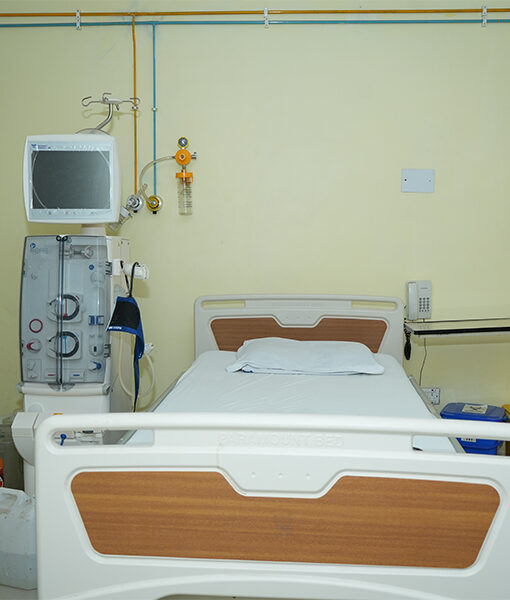
Dialysis helps when the kidneys cannot remove waste and extra fluid properly. It is done under close supervision with hygiene and regular monitoring. Blood pressure, weight and symptoms are checked during each session. Patients also need guidance on diet, fluids and medicines.